WHAT IS IT?
If you've had low back pain, you know the drill - you stop doing the things you love, you start moving carefully, and somehow it still doesn't go away. That's often not a structural failure. That's your nervous system being overprotective. We figure out what's actually driving it (disc, spasm, muscle, movement pattern) and get you back to moving without overthinking every step.
common symptoms and signs
low back stiffness in the morning
pain that gets worse with sitting or standing for long periods
sharp or achy pain with bending, lifting, or twisting
pain, numbness, or tingling that radiates into the glute or down the leg
muscle spasms or tightness across the lower back
avoiding certain movements or activities because of pain
Who is a good fit?
you're someone who wants to understand what's going on in your body and actually do something about it. We work best with people who are ready to be an active part of their recovery, not just lie on a table and hope for the best.
LOW BACK PAIN
Ready to get back to moving?
Book an appointment and we'll figure out what's going on and how to fix it.
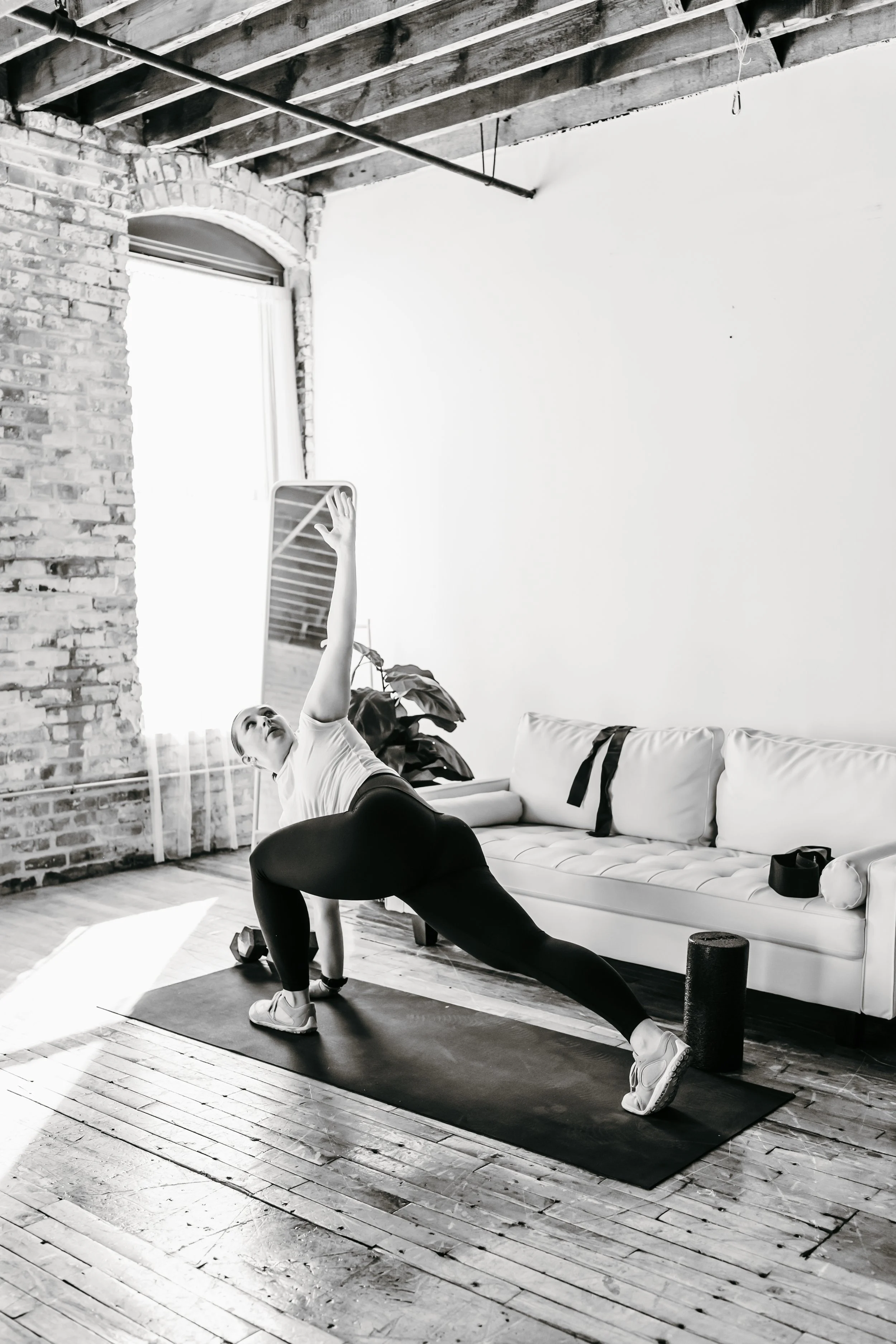
why does this happen?
Low back pain shows up across the board - runners, lifters, group fitness athletes, desk workers, moms picking up their kids, high school athletes. It doesn't discriminate by age or activity level.
Some back pain is a normal part of being a human who moves (and sits, and lifts, and lives). What isn't normal is pain that sticks around. Daily pain is not something you just have to live with and the sooner you address it, the easier it is to turn around. That said, if yours has been there for months or years, it's never too late to make progress.
how we treat it
We start with a movement exam — figuring out where you have too much motion, where you need more strength, and what's actually driving the problem. From there, treatment typically includes a combination of cupping, IASTM, dry needling, and chiropractic adjustments to get your body out of the guarded, protective state it's been in.
But that's only part of it. The manual work creates the window — it gets you comfortable enough to move. The corrective exercises are what actually build the strength and resilience that keeps you out of our office long term. We want you to feel capable of managing your own body.