
WHAT IS IT?
Perimenopause is the transition leading up to the end of menstruation, and menopause is everything after. For most women it happens gradually, but the effects on the body are anything but subtle. Estrogen and progesterone have been steady regulators of how your tissues respond to load, recover from stress, and manage inflammation for most of your life. When those levels drop, everything starts to feel different. Joints that never bothered you start aching. Injuries take longer to heal. Things that used to be easy suddenly aren't. That's not weakness and it's not just aging. It's physiology, and it's addressable.
common symptoms and signs
joint pain or achiness that wasn't there before
new or worsening tendon issues (plantar fasciitis, shoulder pain, hip pain)
slower recovery from exercise or activity
increased stiffness in the morning or after rest
feeling like your body composition is changing despite no change in habits
bone density concerns or a history of osteoporosis in the family
frozen shoulder (disproportionately common in this population)
feeling like you've been told to slow down or do less
Who is a good fit?
you're someone who wants to understand what's going on in your body and actually do something about it. We work best with people who are ready to be an active part of their recovery, not just lie on a table and hope for the best.
MENOPAUSE
why does this happen?
This affects every woman who goes through menopause, which is every woman. The timeline varies but the hormonal shift is universal. Estrogen plays a significant role in how our tissues handle load, how quickly we recover, and how much inflammation we carry. When it drops, the body becomes more vulnerable to the kinds of aches, pains, and injuries that used to resolve on their own.
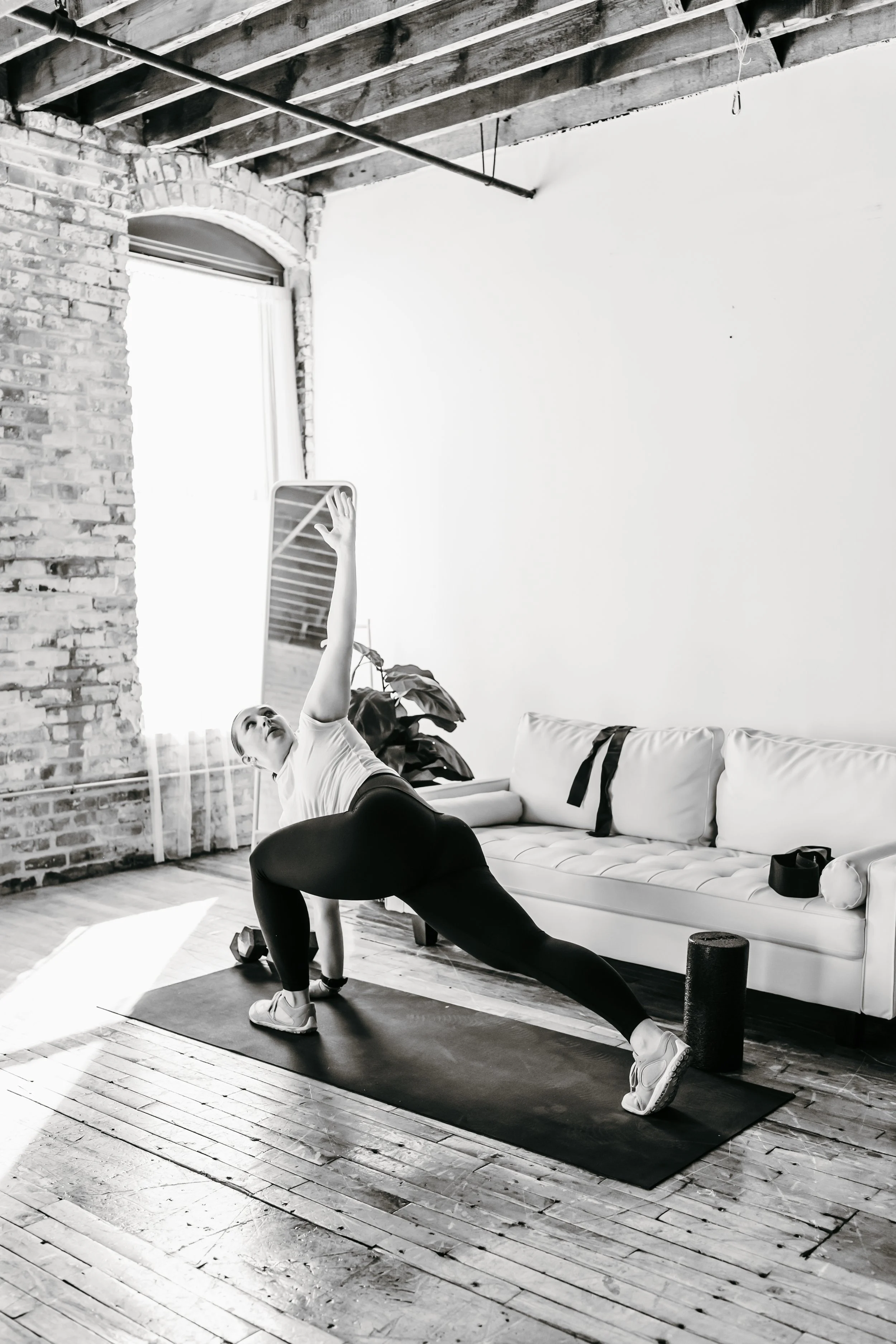
What makes this population unique is that the answer is almost always to do more, not less. Lifting, jumping, and loading the body are some of the most powerful tools available for decreasing the risk of osteoporosis and fractures as we age. Most women in this stage have been told the opposite. We're here to change that.
how we treat it
We start with a movement exam to understand where you are and what your body needs. Treatment includes cupping, IASTM, dry needling, and chiropractic adjustments to address the increased inflammation and tissue changes that come with hormonal shifts. Then we build a progressive loading program designed to keep you strong, protect your bone density, and reduce your risk of injury long term. The goal is to keep you doing more, not less, for as long as possible.
Ready to get back to moving?
Book an appointment and we'll figure out what's going on and how to fix it.